
 Cart is empty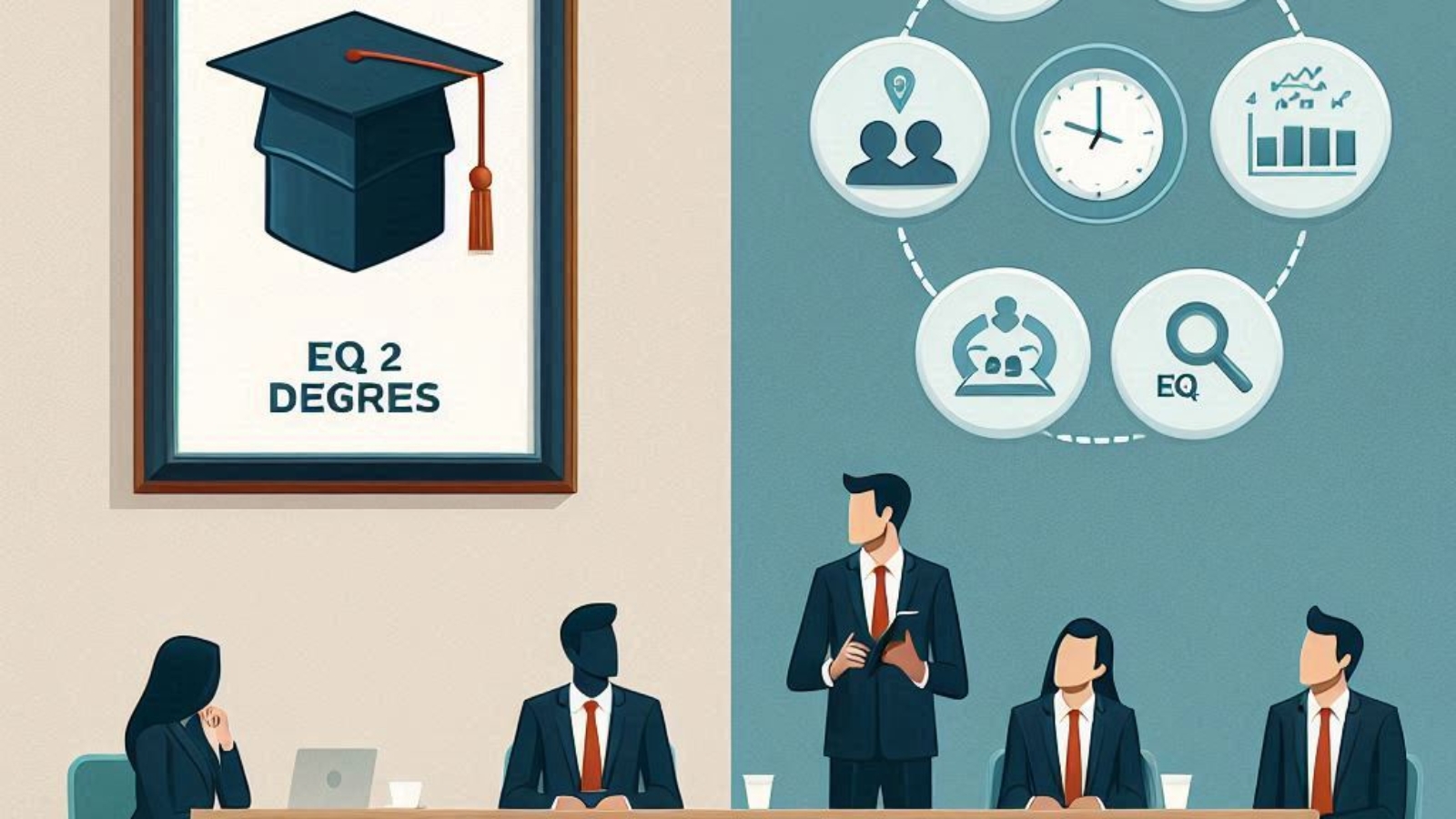
Let’s Be Real: Your Degree Isn’t Enough Anymore
Gone are the days when having a degree automatically meant a great job. In 2025, companies care more about how you work, not just what you know. And that’s where soft skills come in.
These are not technical skills you learn from a textbook. These are human skills—how you think, communicate, and handle real-life situations.
Surprisingly, these skills are opening more doors than a shiny university degree. Let’s dive into the top 5 soft skills that are more powerful than any paper certificate.
1. Communication: One of the Most Important Soft Skills
No matter your job, you have to talk to people—clients, teammates, or your boss.
Great communication isn’t about using big words. It’s about being clear, confident, and kind. If you can explain ideas well and listen carefully, you already stand out from the crowd.
💡 Tip: Practice speaking up in meetings or even recording your voice to hear how you sound. Communication is a skill you can build.
2. Soft Skills for Problem-Solving: Be the One Who Finds the Fix
Companies love people who don’t just point out problems—but actually solve them. Soft skills like problem-solving can help employees handle challenges without giving up when things go wrong.
Whether it’s a technical glitch or a team issue, if you stay calm and think of smart solutions, you’re gold.
Degrees teach theory. But real work needs thinkers, doers, and fixers. In today’s job market, skills and experience can also make a big difference when employers evaluate candidates.
🛠 Bonus Point: Add “I solved…” examples to your resume. Real-life wins speak louder than GPA scores.
3. Soft Skills for Adaptability: Go With the Flow, But Smarter
Change is the only constant—especially in 2025. New tools, roles, or even job titles can pop up overnight. AI and the future of work is also changing how companies approach jobs, skills, and responsibilities.
Being adaptable means you don’t panic when things change. You learn, adjust, and move forward.
If you can handle change with a positive mindset, you’re exactly what fast-moving companies need. Career changes in 2026 will also require workers to keep learning and adapting as jobs continue to evolve.
🔄 Pro Move: Say “yes” to new tasks even if they scare you a bit. That’s how you grow.
4. Emotional Intelligence (EQ): People Skills That Actually Work
EQ is one of the most valuable soft skills because it helps you understand emotions—yours and others’.
People with high EQ make better leaders, better teammates, and better decisions.
No degree can teach you how to handle an angry client or a stressed-out coworker. But EQ can.
❤️ Quick Boost: Start noticing how people react in tough situations. Learn to read the room and respond with empathy.
5. Time Management: Do More, Stress Less
Time is money. And soft skills like time management can help you meet deadlines, stay organized, and avoid unnecessary stress.
You don’t need a time management class. Just good habits: planning, prioritizing, and knowing when to say “no.”
⏳ Pro Tip: Use tools like Google Calendar, Trello, or just a simple to-do list to stay on track.
🎁 Final Thoughts: The World Has Changed—Have You?
In 2025, smart companies aren’t just asking, “What degree do you have?”
They’re asking:
- Can you communicate well?
- Can you lead a team?
- Can you adapt when things change?
- Can you stay calm under pressure?
If your answer is yes, you’ve got something even better than a degree—real value.
So whether you’re a fresh graduate, a job switcher, or just figuring things out, focus on these 5 soft skills. They’ll take you further than any piece of paper ever could.
💬 What Do You Think?
Which soft skill has helped YOU the most in your job? Or which one are you working on right now? Drop your thoughts in the comments—I’d love to hear your story.
Leave A Comment