
 Cart is empty
Introduction:
In the realm of pantry staples, canned food stands as a steadfast soldier, offering convenience, longevity, and often, a burst of flavor. From soups and vegetables to fruits and meats, the humble can holds an array of sustenance ready to withstand the test of time. But just how long does canned food last? Join me as we delve into the depths of the pantry to uncover the secrets behind the shelf life of canned goods.
Understanding Shelf Life: Before we embark on our journey through the labyrinth of expiration dates, it’s essential to grasp the concept of shelf life. Shelf life refers to the length of time a product remains safe to consume while retaining its quality, under proper storage conditions. For canned food, this duration can vary depending on several factors, including the type of food, packaging materials, and storage conditions.
Factors Affecting Shelf Life:
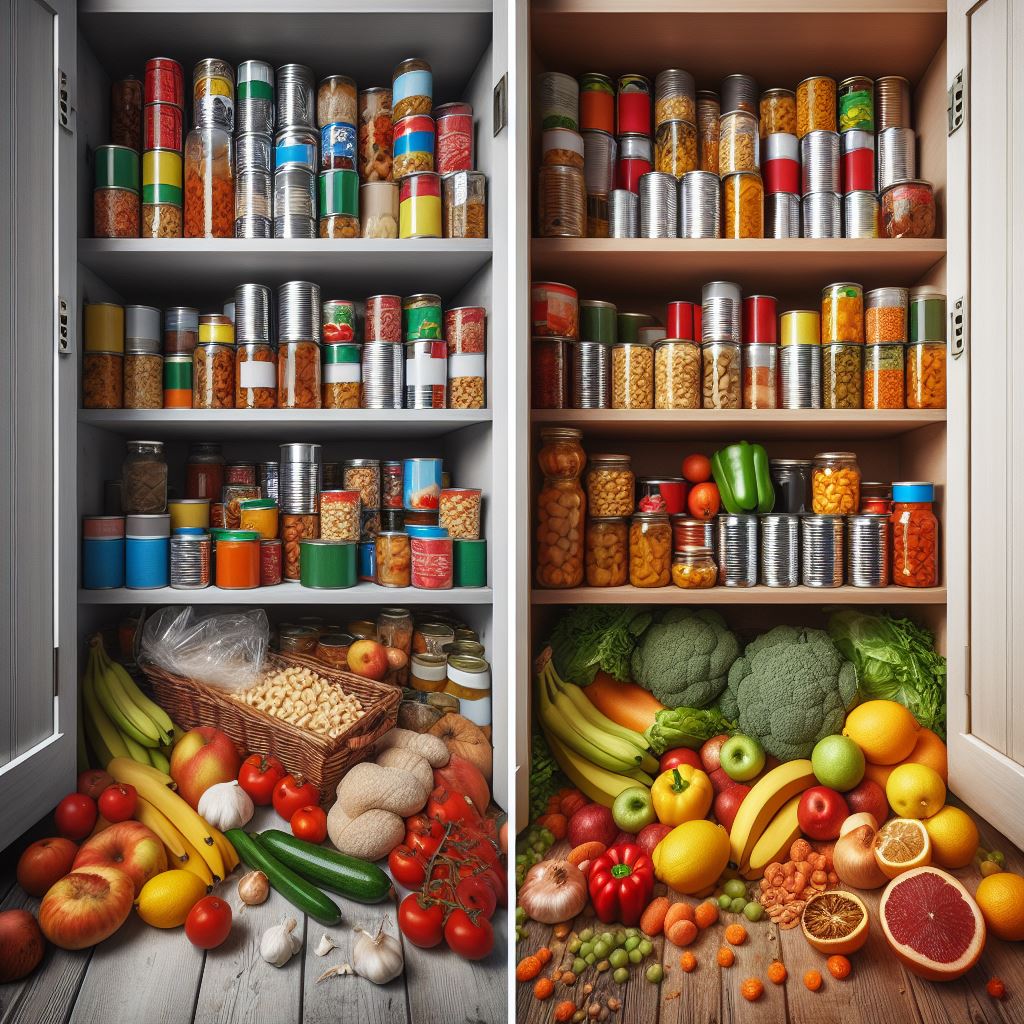
- Packaging: The primary reason canned food boasts an extended shelf life is due to its packaging. Sealed within airtight containers, canned food is shielded from oxygen and light, two elements that contribute to food spoilage.
- Food Type: Not all canned foods are created equal. While some items, such as canned beans and soups, can last for years, others, like canned fruits, might have a shorter shelf life due to their higher acidity content.
- Storage Conditions: Proper storage is paramount in preserving the shelf life of canned goods. Ideally, cans should be stored in a cool, dry place away from direct sunlight and extreme temperatures. Temperature fluctuations can compromise the integrity of the cans and accelerate food spoilage.
Decoding Expiration Dates:
Many canned goods come stamped with expiration dates or “best by” dates, serving as a guide for consumers. However, it’s crucial to distinguish between different types of dates to understand when a product is no longer safe to consume:
- “Best By” Date: This date indicates the manufacturer’s recommendation for when the product is at its peak quality. Consuming the product after this date doesn’t necessarily pose a safety risk but may result in diminished taste or texture.
- Expiration Date: Some canned foods feature an expiration date, signaling the end of the product’s shelf life. Consuming the product after this date may pose a risk of foodborne illness or spoilage.
- Sell-By Date: This date is primarily for retailers and indicates the last date by which the product should be sold. It doesn’t necessarily reflect the product’s safety or quality.
Extending Shelf Life:
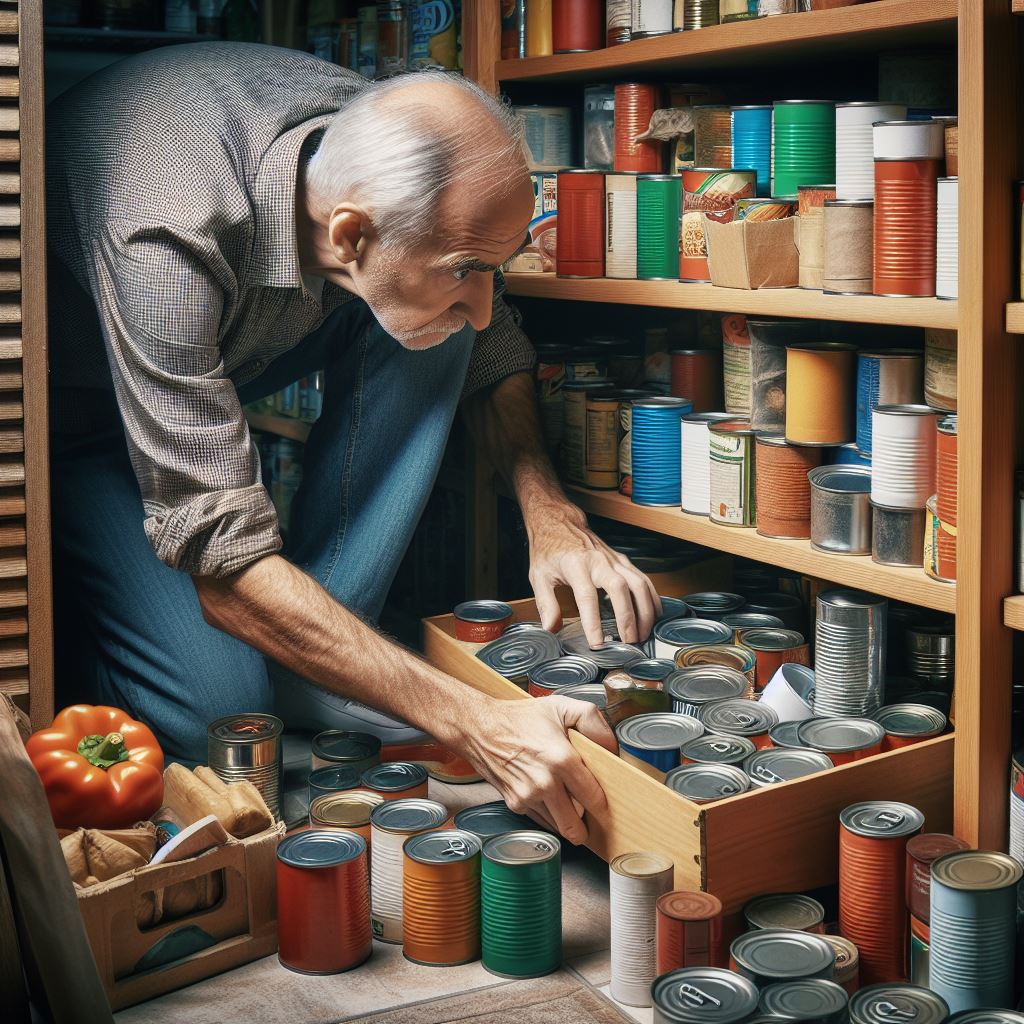
While canned food boasts an impressive shelf life, there are measures you can take to prolong its longevity even further:
- Rotate Stock: Practice first in, first out (FIFO) inventory management to ensure older cans are used before newer ones.
- Check for Damage: Inspect cans for any signs of damage, such as dents, bulges, or leaks, which could indicate spoilage or contamination.
- Store Properly: Maintain a cool, dry storage area for your canned goods, away from heat sources and direct sunlight.
- Consider Environment: In humid climates, consider storing canned goods in airtight containers or vacuum-sealed bags to prevent moisture absorption.
Conclusion: In the realm of food preservation, canned goods reign supreme, offering both convenience and longevity. Armed with the knowledge of expiration dates, storage conditions, and proper handling techniques, you can confidently navigate the labyrinth of the pantry, ensuring your canned treasures remain safe and delicious for years to come. So, the next time you reach for a can of beans or soup, rest assured knowing that your pantry guardian has your back, ready to nourish you whenever hunger strikes.
Leave A Comment