
 Cart is empty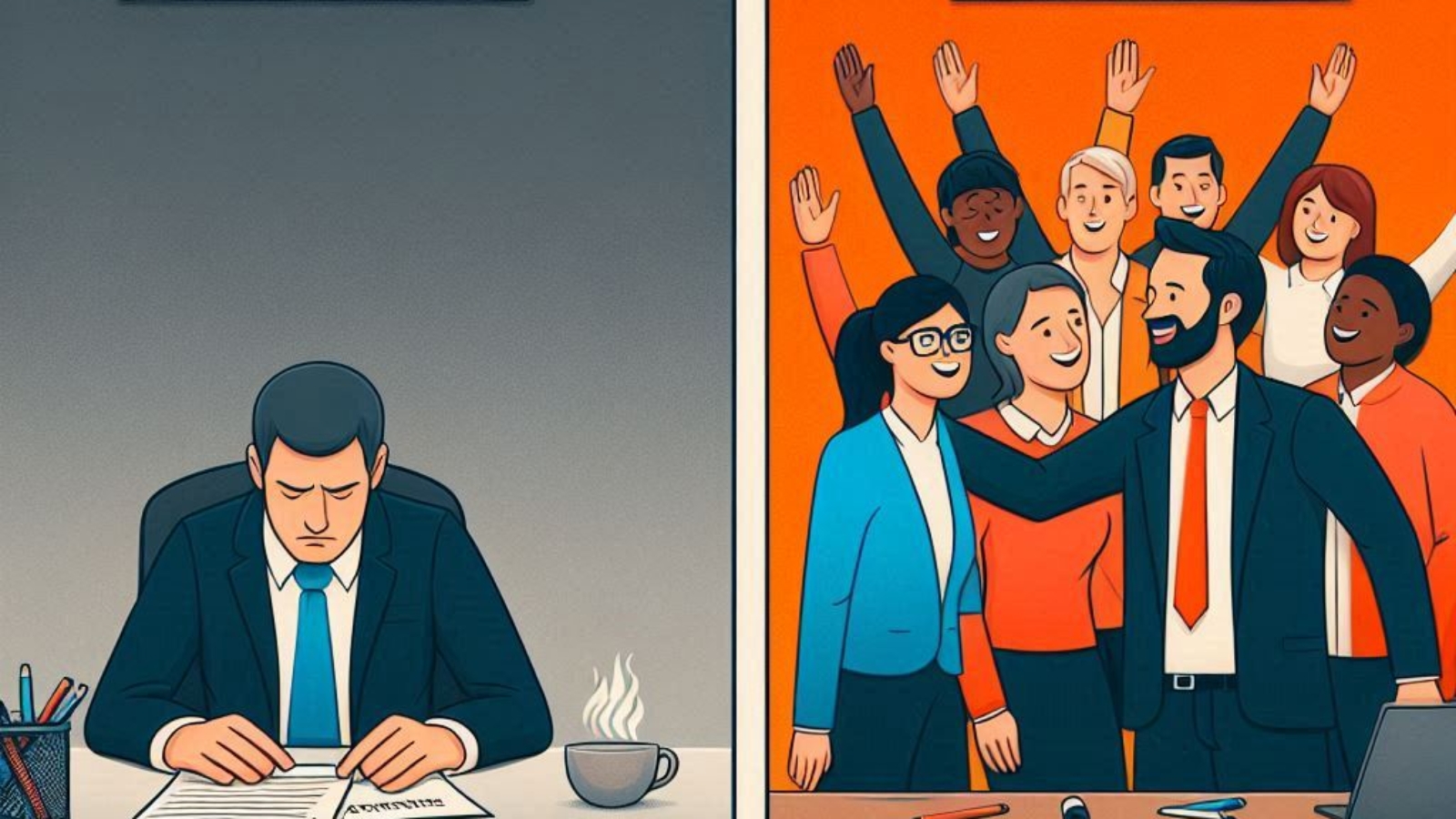
👋 “I Quit.” And Just Like That, They’re Gone… Ever seen a top employee leave a company and thought, ““What went wrong? They were doing so well!” If you’ve ever wondered why good employees leave, the answer is usually not as simple as salary or a better job offer.
People don’t just wake up one day and decide to quit. They feel it building up—slowly, quietly—until they reach a breaking point.
Let’s talk about the real reasons why companies lose their best people (and often don’t even notice until it’s too late).
1. 🚫 Why Good Employees Leave: The Real Reasons
Sometimes, it’s not the job. One of the biggest reasons why good employees leave is poor management.
A manager who:
- Doesn’t appreciate hard work
- Takes credit for team success
- Blames others when things go wrong
- Micromanages every little move
…is a recipe for disaster.
These are common signs of dealing with difficult bosses, especially when a manager refuses to listen or support their team.
After all, people don’t want perfection. They want a leader—someone who listens, supports, and respects them.
💬 “I didn’t hate my job. I just couldn’t deal with my boss anymore.” — Too many employees, sadly
2. 💬 Zero Recognition = Zero Motivation
Imagine giving your best every day… and no one even notices.
Lack of recognition is another reason why good employees leave.
Without regular recognition, people who consistently put in effort may start feeling invisible. Even a simple “thank you” or “great job” can mean a lot to your team. Over time, feeling invisible can make employees lose motivation and slowly stop trying.
🎯 Fact: People don’t just work for money—they work for meaning.
In the long run, simple appreciation can keep great people around. Ignoring them? That’s how you lose them.
3. 🧱 Why Good Employees Leave When There Is No Growth
Without a clear path forward, your best people may start looking for opportunities elsewhere.
When companies:
- Don’t offer training
- Don’t promote from within
- Don’t let people try new roles
…employees can feel stuck. As a result, they may start looking for growth somewhere else.
🛫 “If I can’t grow here, I’ll grow somewhere else.”
4. 🔥 Why Good Employees Leave After Burnout
Hardworking employees don’t always ask for help. Instead, they may keep taking on more until they simply can’t anymore.
Burnout is another major reason why good employees leave. Constant overtime and the pressure to always be available can slowly push even hardworking employees toward the exit.
When companies:
- Expect overtime every week
- Never say no to extra tasks
- Reward “always online” culture
As a result, they end up burning out their best talent.
In many cases, employees in workplaces like this often develop office survival habits just to get through the day.
🔥 Don’t wait for a resignation letter to care about work-life balance.
5. 🤐 No Voice, No Value
Great employees want to share ideas, speak up in meetings, and feel like they matter. However, office gossip and communication can also influence how information and opinions spread around a workplace.
At the same time, when companies:
- Ignore feedback
- Shut down opinions
- Only listen to “senior voices”
…they silence innovation.
More importantly, people want to be heard, not just managed. Over time, feeling ignored can become another reason why good employees leave instead of continuing to speak up.
🧏♂️ If no one’s listening, they’ll stop talking—and start job hunting.
6. 🛠️ How Companies Can Stop Good Employees Leave
The good news? Many of these problems can be fixed.
Instead, companies don’t need fancy offices or endless employee perks to keep good people. They need to pay attention to what employees actually experience every day.
With that in mind, here are a few simple ways to improve retention:
1. Train Better Managers
A good employee can become unhappy quickly under a manager who doesn’t listen, micromanages, or takes credit for their work.
For this reason, managers should learn how to communicate clearly, give useful feedback, recognize effort, and support their teams.
2. Recognize Good Work
For example, a simple “well done” can go a long way.
When employees feel appreciated, they are more likely to feel that their work matters. Keep in mind that recognition doesn’t always have to mean a bonus. In many cases, genuine appreciation is enough.
3. Give Employees Room to Grow
People want to know that their career isn’t standing still.
Therefore, offer training, new responsibilities, mentorship, and opportunities to learn. When employees can see a future inside the company, they have more reasons to stay.
4. Respect Work-Life Balance
Constant overtime and the expectation to always be available can quickly wear people down.
Instead, give employees reasonable workloads, respect their personal time, and avoid creating a culture where being constantly online is treated as a sign of commitment.
5. Listen Before They Leave
Don’t wait for the resignation email to discover why good employees leave. Regular conversations, honest feedback, and simple employee surveys can help managers spot problems before they become reasons to leave.
The goal isn’t to make every employee happy every minute. It’s to create a workplace where people feel heard, respected, valued, and able to grow.
🎁 Final Thoughts: People Don’t Leave Companies… They Leave Cultures
You can’t keep good employees with ping-pong tables or free coffee. Instead, a healthy company culture is built on respect, trust, communication, and treating people fairly.
They stay because they feel:
✅ Seen
✅ Respected
✅ Challenged
✅ Valued
Companies that forget this will keep losing their best people—and keep asking, “Why can’t we keep talent?”
Understanding why good employees leave is the first step toward building a workplace where people actually want to stay.
💬 Your Turn!
Have you ever left a job for one of these reasons? Or are you a manager trying to keep your team happy?
👉 Drop your story in the comments. Let’s talk about what really makes people stay (or walk away).
Need more workplace stories like this?
Follow the blog and let’s keep it real—simple words, honest thoughts, and no HR fluff.
Leave A Comment