
 Cart is empty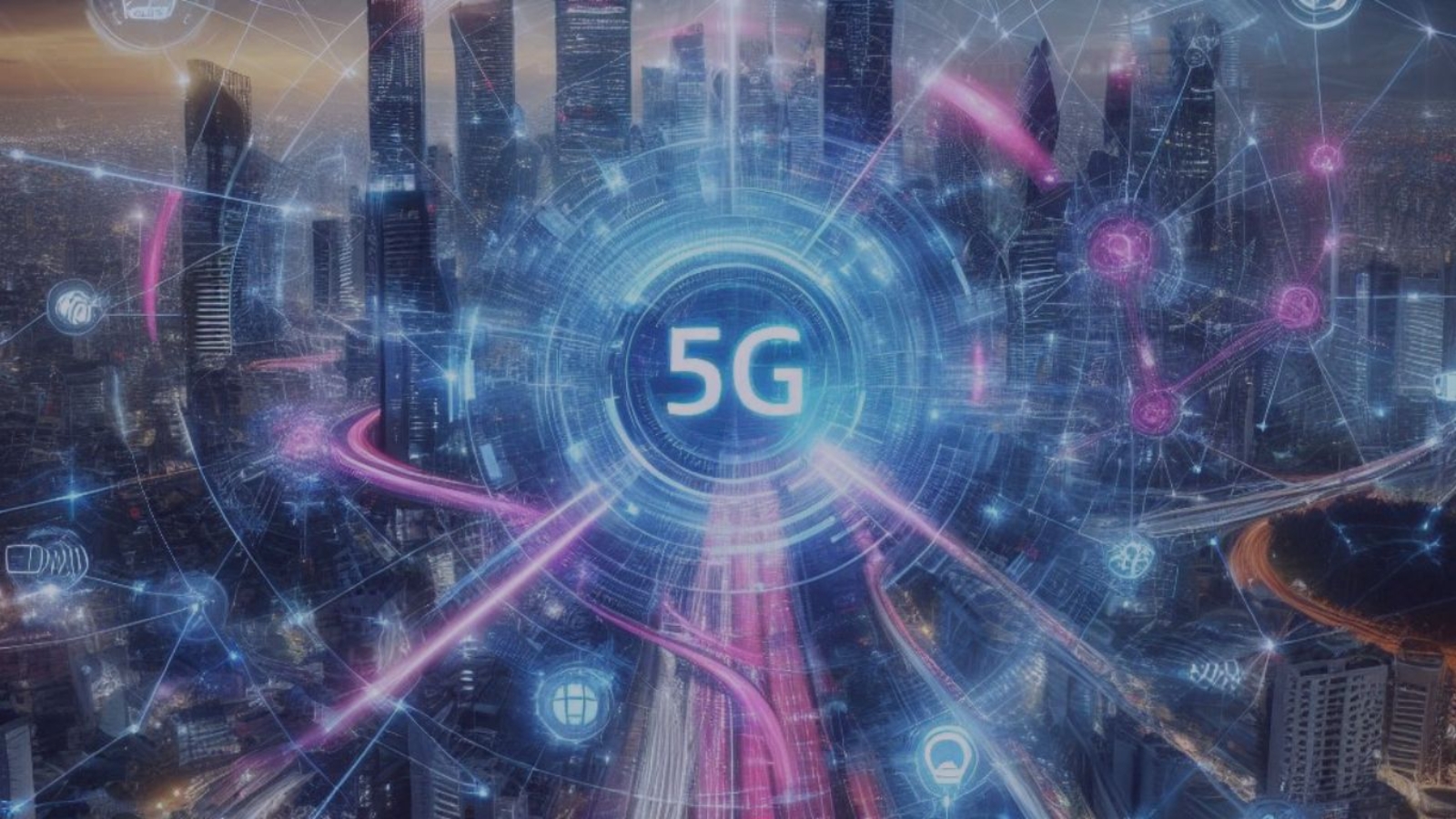
The arrival of 5G technology marks a significant milestone in the evolution of wireless communication. Promising faster speeds, lower latency, and the ability to connect more devices simultaneously, 5G is set to revolutionize how we interact with technology. Let’s explore what 5G technology is, how it works, and the new possibilities it unlocks in connectivity.
What is 5G Technology?
5G, short for the fifth generation of wireless technology, is the latest advancement in mobile networks. It follows previous generations such as 3G and 4G LTE, but it offers much more than just an incremental improvement. 5G is designed to deliver higher data speeds, more reliable connections, and greater capacity to support a growing number of devices and applications.
How Does 5G Work?
5G operates on three different spectrum bands: low, mid, and high. Each band has its own characteristics and uses:
- Low-band spectrum: Offers wide coverage and better penetration through obstacles but with moderate speeds.
- Mid-band spectrum: Balances coverage and speed, providing faster connections than low-band while still covering larger areas.
- High-band spectrum (millimeter-wave): Delivers the highest speeds but with limited coverage and lower ability to penetrate obstacles like buildings.
5G networks use advanced technologies like Massive MIMO (Multiple Input Multiple Output), beamforming, and network slicing to optimize performance and efficiency.
Key Benefits of 5G Technology
- Faster Speeds: 5G can deliver download speeds up to 100 times faster than 4G, enabling quicker downloads, smoother streaming, and more responsive online experiences.
- Lower Latency: With latency as low as 1 millisecond, 5G reduces the delay between sending and receiving data. This is crucial for real-time applications like online gaming, augmented reality (AR), and virtual reality (VR).
- Increased Capacity: 5G can support a massive number of connected devices, from smartphones to smart home devices, without compromising performance. This is essential for the growing Internet of Things (IoT) ecosystem.
- Improved Reliability: 5G offers more stable connections, reducing the risk of dropped calls and interrupted data sessions.
Unlocking New Possibilities
The advancements brought by 5G technology are set to transform various industries and aspects of daily life. Here are some of the new possibilities unlocked by 5G connectivity:
- Smart Cities: 5G enables the development of smart cities with connected infrastructure, such as intelligent traffic management systems, energy-efficient buildings, and real-time public transportation updates. This leads to improved urban living and resource management.
- Healthcare: Telemedicine, remote surgery, and real-time health monitoring become more reliable and effective with 5G. Doctors can perform consultations and even complex procedures remotely, while patients can benefit from continuous health tracking.
- Autonomous Vehicles: 5G provides the low latency and high reliability needed for self-driving cars to communicate with each other and with traffic management systems. This paves the way for safer and more efficient transportation.
- Industry 4.0: Manufacturing processes can be optimized with 5G-enabled automation and robotics. Real-time data analysis and machine-to-machine communication improve productivity, reduce downtime, and enhance quality control.
- Enhanced Entertainment: The entertainment industry benefits from 5G with smoother streaming, immersive AR and VR experiences, and real-time multiplayer gaming. This revolutionizes how we consume and interact with media.
- Remote Work and Education: 5G supports seamless video conferencing, cloud computing, and collaboration tools, making remote work and online education more effective and accessible.
Challenges and Considerations
While 5G technology offers numerous benefits, there are challenges to its widespread adoption:
- Infrastructure: Deploying 5G requires significant investment in infrastructure, including new cell towers and fiber optic networks.
- Device Compatibility: Not all devices are 5G-compatible, so consumers will need to upgrade to take full advantage of the new network.
- Security: With increased connectivity comes greater security risks. Ensuring robust cybersecurity measures is essential to protect data and privacy.
Conclusion
5G technology is poised to revolutionize connectivity, unlocking new possibilities across various industries and enhancing everyday life. With faster speeds, lower latency, and increased capacity, 5G paves the way for innovative applications and smarter, more efficient systems. As we continue to build the infrastructure and address the challenges, the full potential of 5G will gradually unfold, transforming our digital landscape.
Leave A Comment