
 Cart is empty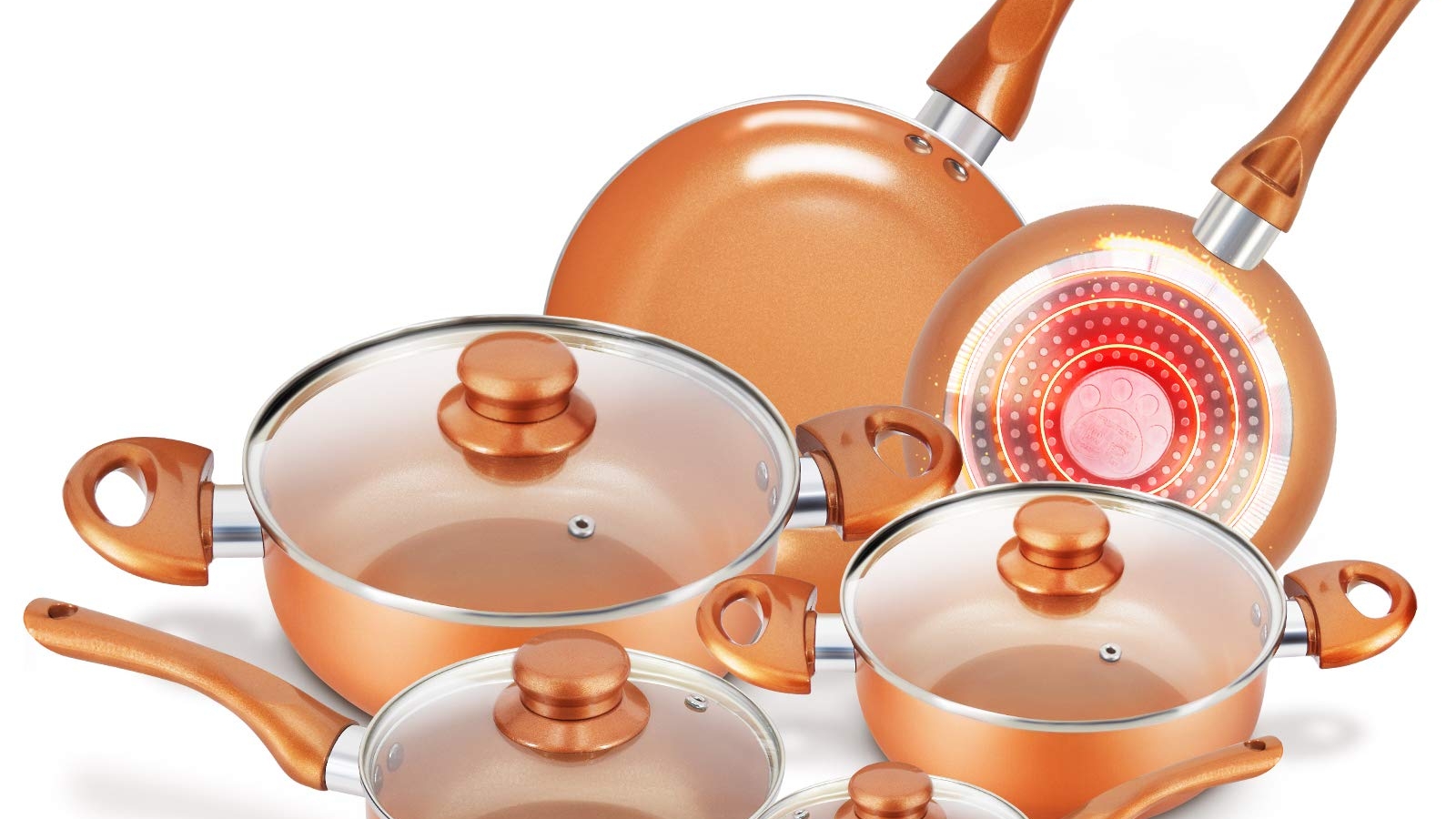
Do you heard about Copper Pan? We all do cooking in our kitchens, and when it comes to purchasing cookware, we usually prefer nonstick because it makes our lives easier.
When cooking, have you ever wondered if this pan is an healthier option for cooking? Few people do
There’s one special material on the market that we know almost nothing about copper. Copper pans and their made-in cookware are quick at cooking and easy to clean. About 11,000 years ago in human history, copper was the first metal to be used for cooking. That makes the human relationship with copper about as old as agriculture.
In this article, we cover the following points that will help you get to know more about copper cookware:
So, let us begin with our first topic.
The benefits of Copper Pan cookware:
Copper cookware is one of the most beautiful cookware sets you can own, but let’s discover the unparalleled elegance that a copper pan brings to your kitchen.
- The first and foremost advantage is that it is a good conductor of heat. Copper responds to changes in heat quickly and evenly distributes the heat, which means you don’t have to use as much heat to get it cooking. Many professional chefs use copper cookware, especially for precise cooking.
- As it heats up quickly, copper also cools down quickly. It’s the perfect material to use when you need to control the temperature, as well as for delicate proteins such as fish and sauces.
- One of the most important points is that it has a long shelf life. Don’t go for its price tag. It is one of the utensils in our kitchen that passes from family to family. Do we all agree? So buy it once and use it forever.
- Copper is one of the best materials known to provide adhesion between surfaces. It will provide smooth coverage of nonferrous and ferrous base metals, resulting in longer product life.
- There’s no question that copper gives any cookware a distinctive and unique look compared to any other set. It is so beautiful that once you finish cooking, you can directly serve it on the table, and again, the taste is fantastic.
- The metals used to line copper cookware are very strong and corrosion-resistant. So, even after some wear and tear, your pots and pans will look almost new.
- Cookware made out of copper is heavy enough to sit securely on your stove or burner but isn’t so heavy that you can’t lift it easily with one hand, even if it’s filled with food or water.
- Well, we assume that only nonstick cookware is easy to clean, but trust me, these are myths. A copper pan can be easily cleaned with just scrub soap and water after regular cooking.
- Traditionally, copper was lined with tin. Tin is a pure element, like copper, and it has some fantastic qualities. It will not react with acids or anything else you would cook on it.
- It is coated with tin, which makes it impressively nonstick all on its own. Without any need for lubricant, you can fry an egg and cook pancakes so the food won’t stick.
Comparison of different types of cookware and its health point of view:
There are many cookware metals used in today’s market; some are good and some not so. Let’s see the comparison of different types of cookware available on the market from a health and safety point of view.
Non-Stick Cookware:
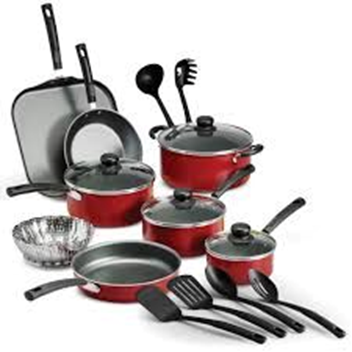
Our first preference when we go to buy cookware is non-stick because it is easy to handle and easy to clean. It also required less butter and oil to lubricate the surfaces of pots and pans, which suggested that foods cooked with nonstick could contain less fat. But do we know that it has a coating called Teflon? It has been linked to thyroid disease, lung damage, and even short-term symptoms from inhaling fumes, but in 2013 the Teflon formula was changed, so cooking with nonstick is thought to be safer using today’s nonstick products. Still, we have to keep in mind that cooking on a high flame may cause the nonstick coating to break down and get into your food. So the purchase may be the first affordable option, but not necessarily the safest.
Stainless steel cookware:
It’s called “stainless” because it’s resistant to rust and corrosion, which makes it a great material to cook with. It is a good conductor of heat, reacts quickly, and distributes heat eventually. It’s easy to clean. It’s also inexpensive compared to some other materials. It has fewer harmful health effects. Because it is a metal alloy containing iron, chrome, and nickel, it occasionally leaches nickel and chromium into food, especially when cooking foods like tomatoes, and it is also sensitive to nickel allergies.
Ceramic cookware:
Ceramic pots and pans are made of metal and coated with a nonstick material (often silicone) that has a ceramic base. They are a little difficult to clean and also do not distribute heat evenly. Apart from these disadvantages, ceramic cookware is most likely safe as long as the paint or cookware coating is free of toxic exposures (like lead, cadmium, etc.).
Aluminum cookware:
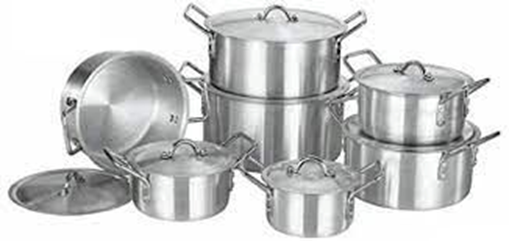
Aluminum is a lightweight metal that conducts heat rapidly. It’s also simple to clean and very inexpensive. From a health safety point of view, it dissolves almost 7 to 9 milligrams of aluminum in the food, which gives you a metallic taste. Consumption of small amounts of aluminum is considered fine. However, higher levels may increase the health risks, such as Alzheimer’s Disease. It also reacts to acidic foods.
Cast iron cookware:
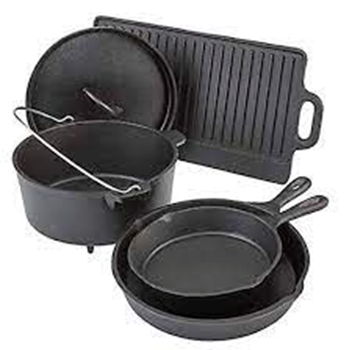
It’s considered one of the most durable types of cookware. It is difficult to clean and requires a special method to clean them. Cast iron contains iron, and that iron can leach into your food, giving food a distinct flavor that other kinds of pots and pans can’t duplicate. This iron is generally accepted as being safe. If you’re anemic, eating food cooked on cast iron can help improve your iron levels. But if you have hemochromatosis, a disorder, you should avoid cast-iron cookware.
Is Copper Pan safe for cooking?
Apart from all the benefits of all the benefits that we have discussed above, we still need to know if it is safe for our health or not. Usually, this type of pan has a base made of another metal, like stainless steel, with a copper coating over it. It is less likely to leach into food, but similar to iron, uncoated copper cookware can dissolve copper into food. According to ATSDR (2004), “Copper is essential for good health. However, exposure to higher doses can be harmful and lead to nausea, vomiting, stomach cramps, or diarrhea.
How to clean copper pans:
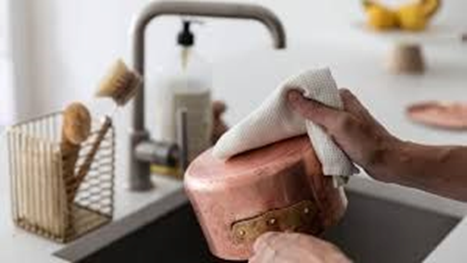
Copper cookware is a big investment, and we proudly flaunt our copper cookware set in our kitchen, but this fades off when we see the pots start changing color to a darker orange or purple-blue streaks. Because of the cost, you should think twice about mistreating them. Cleaning copper like a professional is easy and doesn’t require complicated techniques and expensive chemicals. In this article, you will find some tips on how to clean it and when to have it fixed by a professional.
- Traditionally, copper cookware is lined with tin. With copper’s superb heat conductivity, you have to be especially careful with high heat. If the temperature of an empty pan can reach its boiling point, then tin can bubble and melt, and you’ll require the services of a re-tinner to get the pan back to working condition. To prevent a tin-lining mishap, always preheat your tin-lined copper pans with butter or oil; if they start smoking, they’re getting close to the danger zone.
- Nowadays, most copper pan manufacturers line their pans with stainless steel, which is less sensitive to heat as compared to the tin lining. If you accidentally put the pan on high heat, after some time you will see nothing happen, so you will be thankful for the stainless coating. But unlike tin, if damage happens, it will not fix it.
- Tin has largely nonstick qualities; food does not stick, and it won’t do so stubbornly. Fill a tin-lined pan with water, add a little dish soap, and rinse it as you would any other nonstick cookware, but the food may stick and be stubborn enough to require scrubbing and scouring just like any stainless steel pot or pan.
- If you see your copper pan changing its color and shine getting faded, this process is called oxidization, and it happens when the copper combines with the oxygen and moisture in the air and loses some of its protons. You can fix this by sprinkling salt on half a lemon. Rub the salted side of the lemon on the faded area. The salt will act as an abrasive, and the lemon will act as a cleanser. The combination will clean the tarnished area.
Leave A Comment