
 Cart is empty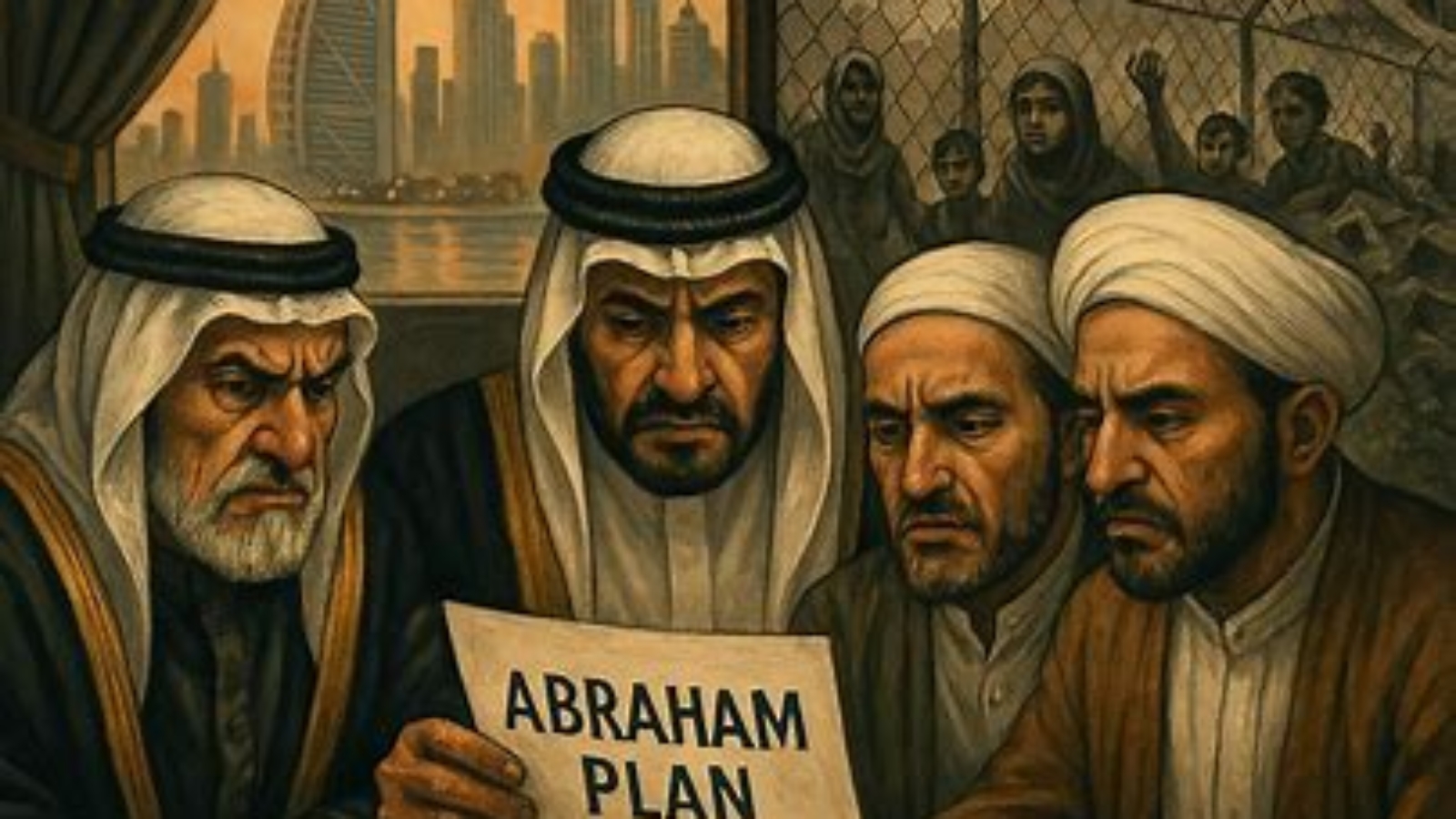
Recent news shows that former U.S. President Donald Trump is pushing a new peace initiative around the Abraham Accords, Gaza, and normalization with Israel. Key points of the current plan are:
- It’s a 21-point peace proposal involving cease-fire, release of hostages, reconstruction of Gaza, and a potential transitional period with international oversight.
- The plan calls for disarmament of Hamas, staged Israeli withdrawal from Gaza, and restitution for Palestinian prisoners. Aid supervision by UN and other international actors is included.
- It suggests a “Board of Peace” or technocratic governing body to administer Gaza during transition, possibly with Trump or allies playing a major role.
- It also includes political reforms in the Palestinian Authority (PA) as a condition for increased Palestinian self-governance. However, no explicit guarantee of a sovereign, independent Palestinian state is clearly defined in the public version.
❗Why Many Muslims See This Plan as Dangerous
From a Muslim perspective, this renewed Abraham Plan raises several critical and troubling issues—especially given the historical promises made around Palestine that have often not materialized.
1. Normalization Comes First, Justice Comes Last
Now, just like previous accords, the push is toward normalizing relations with Israel—even before core Palestinian issues (occupation, right of return, Jerusalem) are resolved. The plan’s language about reforms and transitional governance seems like conditional crumbs, not fundamental rights. Accepting normalization without full justice repeats a dangerous pattern.
2. Control & Oversight Imposed Externally
The idea of technocratic bodies, “Board of Peace,” or international oversight may sound reasonable, but they effectively signal loss of Palestinian autonomy. Requiring PA reforms under foreign pressure, disarmament with minimal say, and oversight from external actors—all risk making Palestine a managed, controlled entity, not a sovereign state.
3. The Risk of Betraying Hope & Suffering
For many Muslims, especially Palestinians, these plans are emotional. They’ve waited decades. Seen promises broken, settlements expand, lives lost. When plans appear that prioritize diplomatic optics and international relations over real, tangible rights, it feels like another betrayal. The suffering continues, while the world debates governance models.
4. Precedent for Other Muslim Countries
If Muslim-majority countries (Middle East, Pakistan, etc.) accept normalization deals now, pushing demands for justice into vague future reforms, they are giving legitimacy to models where the powerful get recognition first, while the weak remain as bargaining chips. This sets a precedent where diplomacy trumps rights.
5. Name & Symbolism vs Reality
Ibrahimi/Abraham becomes just a name. Using Abraham’s legacy of unity, faith, sacrifice—while ignoring modern injustice—feels ironic. Symbolism without substance is dangerous, especially when it’s used to label things “peace accords.”
🕌 Muslim Critique: Should Not Accept Before Clear Plan for Palestine
Putting all this together, here is how many Muslims see it:
- Accepting the plan before a clear, fair, enforceable plan for Palestine means giving up leverage, accepting half-measures, and betraying those who’ve lived through war and displacement.
- If the plan requires Turkey, Pakistan, Saudi Arabia, UAE etc. to normalize relations without ensuring Palestinian statehood (with defined borders, rights, autonomy, return, etc.), then it is a betrayal of Ummah and Muslim conscience.
✨Final Thoughts
The Ibrahimi Accord Plan may look like “progress,” but in reality, it is a dangerous compromise.
As Muslims, we don’t reject peace. We welcome peace built on justice, equality, and respect. But accepting Israel without solving the Palestinian issue first is like building a house without a foundation—it will collapse.
It is heartbreaking that Muslim countries in the Middle East—and even discussions in Pakistan—are moving toward accepting this deal without demanding a clear and fair plan for Palestine.
Israel may have won diplomatic recognition, but Muslim leaders who sign these deals lose their moral recognition.
History will not remember them as peacemakers, but as leaders who abandoned Palestine when unity and courage were needed most.
👉 Question for Readers: Do you believe Muslim countries should normalize with Israel before Palestine gets justice? Or is that a betrayal?
Leave A Comment